Thinking about a close-in suburb where you can hop on the Metro, enjoy leafy streets, and still find single-family homes without downtown prices? Cheverly might be the fit you’ve been looking for. If you’re weighing commute times, school options, and whether the town vibe matches your lifestyle, you’re not alone. In this guide, you’ll get a clear picture of daily life, housing, parks, transportation, and practical tradeoffs so you can decide with confidence. Let’s dive in.
Cheverly snapshot
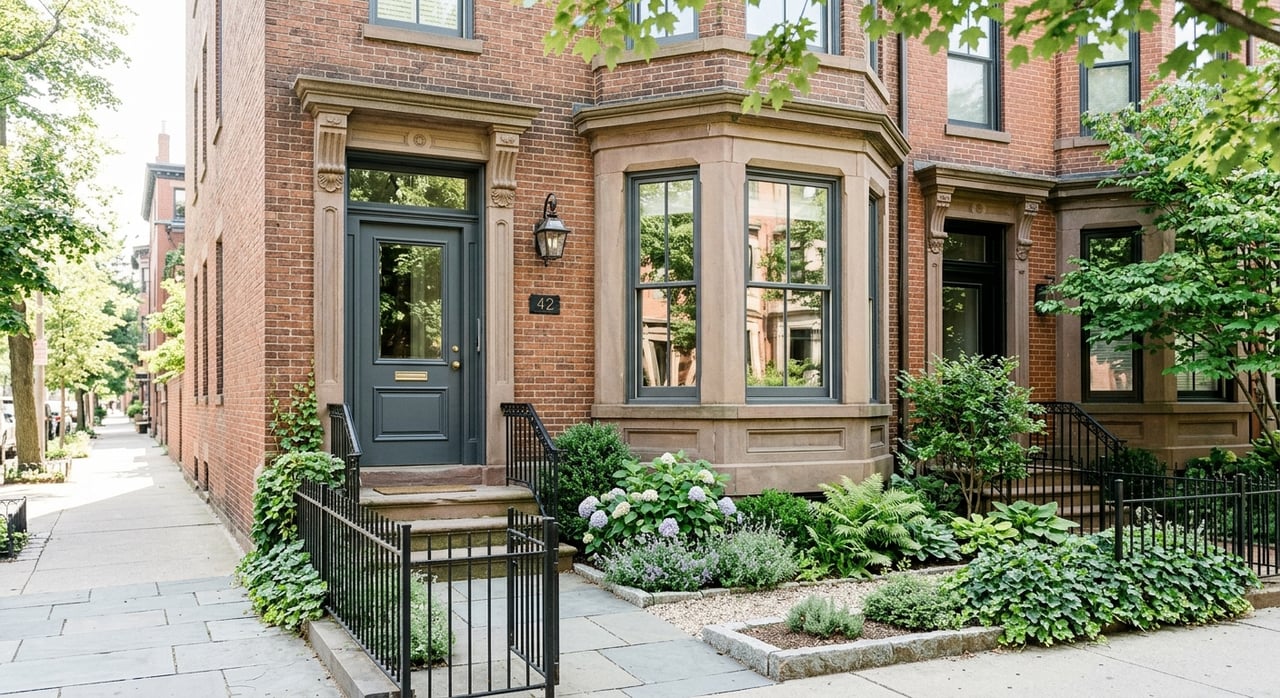
Cheverly sits just east of Washington, D.C., in northeastern Prince George’s County. It’s an incorporated town, which means you benefit from a small-town feel, active civic life, and local services layered on top of county resources. Streets are tree-lined and residential, with predominantly single-family homes built in the mid-20th century.
Many buyers consider Cheverly a more accessible alternative to pricier inner-belt suburbs while still enjoying direct rail access to D.C. You’ll notice modest lot sizes, walkable blocks, and a neighborly culture with volunteer groups and town events that bring people together.
A day in Cheverly
Mornings and the commute
Your weekday might start with a walk or short drive to the Cheverly Metro station. With Orange Line service, you have direct rail access into D.C., which is a big plus if you prefer not to drive. If you do drive, proximity to major roadways makes it straightforward to head into the city or connect with the Beltway, though rush hour can lengthen travel times.
Errands and essentials
In town, you’ll find small clusters of local retail that cover daily needs like groceries, coffee, and pharmacy runs. For broader shopping, restaurants, or nightlife, you’ll likely pop over to larger nearby commercial areas or into D.C. The tradeoff is clear: quieter residential streets in exchange for fewer in-town entertainment options.
Evenings and weekends
After work, parks and playgrounds are close to home, and community programming gives you ways to plug in. Weekends often center on youth sports, town-organized events, and neighborhood gatherings. If you enjoy biking or exploring regional trails, the Anacostia River corridor and county greenways open up more outdoor options just beyond the town limits.
Homes and affordability
What you’ll find
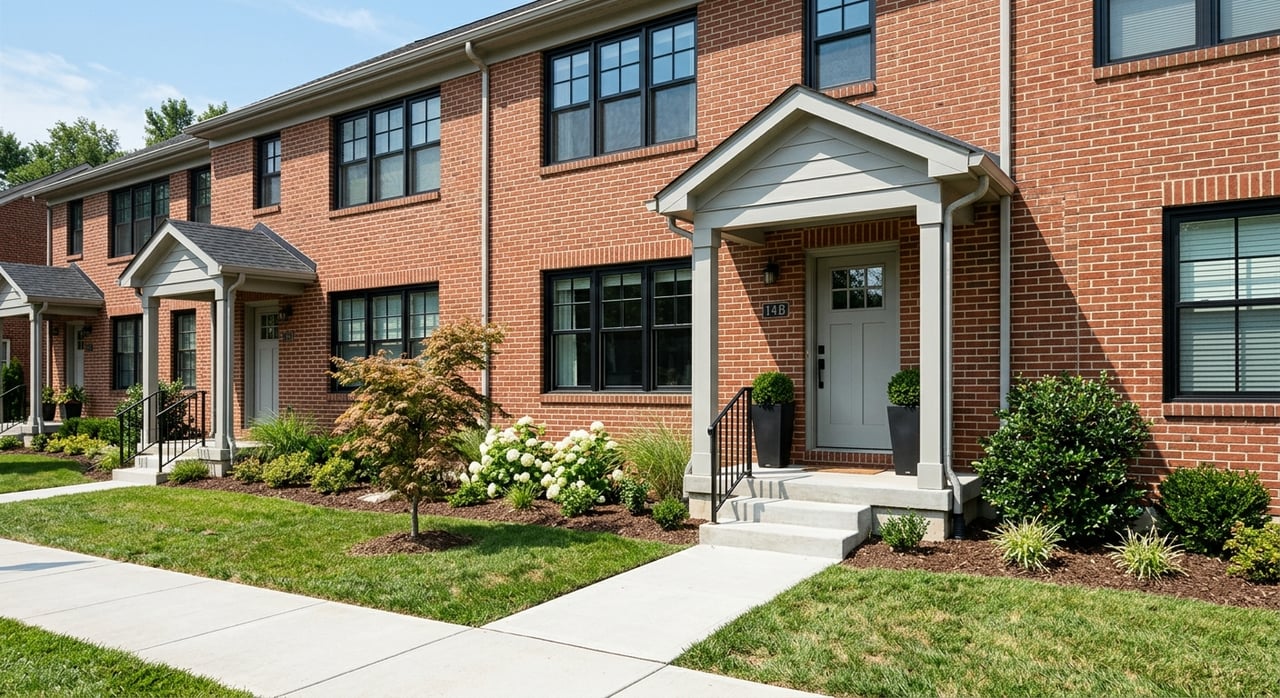
Cheverly’s housing stock is largely single-family detached homes from the 1930s to 1960s, including bungalows, Cape Cods, and colonials. You’ll also see small pockets of apartments and duplexes along certain corridors, with occasional townhomes or infill multifamily buildings. Yards tend to be modest compared with outer suburbs, which keeps the neighborhood feel tight-knit and walkable.
Price and demand
Cheverly is often more affordable than many close-in Montgomery County suburbs and parts of Northern Virginia inside the Beltway. Prices have risen as Metro access has become more valued, and demand is supported by steady interest from commuters, first-time buyers, families, and downsizers who want one-level living near the city.
If you’re shopping, be prepared for homes that show well and move quickly, especially when priced in the entry-to-mid range for the region. Investors also keep an eye on the area due to consistent rental demand linked to transit access and proximity to D.C.
Renovation and expansion
Many homes have been updated or flipped in recent years. If you’re planning changes, keep an eye on lot coverage and setback rules since smaller lots can limit additions. Cheverly’s municipal structure means you’ll navigate both town code and county regulations for permitting. Garages exist on some properties, but street parking is common; confirm your parking preferences when touring.
Commute and transportation
Metro access
Cheverly’s WMATA station provides Orange Line service with direct rail into D.C. This is a key reason many residents choose the town. It’s commuter-friendly whether you ride daily or combine a short bike-and-ride with a few Metro stops. If you plan to park at or near the station, review posted parking and permit rules on-site before you rely on a routine.
Driving connections
Driving is straightforward thanks to nearby corridors like US 50, Baltimore-Washington Parkway, and MD 201. Morning and evening rush can push drive times up, so it’s smart to test your specific route during peak hours. Depending on traffic and destination, you might see anywhere from about 20 to 45 minutes into downtown D.C.
Biking and walking
Local streets are walkable for daily routines, and nearby trails enhance biking options. Many residents choose to walk or bike to the Metro when weather permits. If you’re a regular cyclist, scout your preferred route to the station and to regional trails to see how it fits your commute.
Schools and family resources
Public schools
Cheverly is served by Prince George’s County Public Schools. School assignments vary by address, so be sure to confirm the assigned elementary, middle, and high schools for any property you’re considering. Families often review school profiles and consider magnet or specialty programs that may require separate applications or lotteries.
Childcare and after-school
You’ll find a mix of local daycare providers and after-school options. The town supports youth programming and seasonal activities, which can be a convenient complement to school schedules. If childcare is a priority, start your search early so you can compare waitlists, hours, and commuting logistics.
Libraries and learning
Residents use county library branches for story times, homework help, and community events. These resources, combined with town programming, give families a variety of enrichment options close to home.
Parks, green space, and recreation
Town parks and playgrounds
Cheverly maintains local parks with playgrounds, fields, picnic spots, and open space that make spontaneous playtime and weekend meetups easy. The compact layout means you’re rarely far from a green corner to unwind.
Regional outdoor options
Beyond town limits, you can access larger Prince George’s County parks and the Anacostia River corridor for biking, jogging, and nature watching. If you like to mix short neighborhood strolls with weekend trail rides or longer hikes, Cheverly gives you a flexible starting point.
Community events
Civic life is a point of pride here. Seasonal celebrations, volunteer cleanups, and town-organized activities offer consistent ways to get involved. If you’re new, attending a few events is one of the easiest ways to meet neighbors and understand the local rhythm.
Safety, services, and local government
Public safety
Residents monitor safety by reviewing official crime statistics and trends, often focusing on property and violent crime over several years rather than a single snapshot. As with any community, it’s best to compare categories and trends and to visit at different times of day to gauge your comfort level.
Town and county services
As an incorporated town, Cheverly runs local services and community programming in addition to countywide resources. Expect town-level code enforcement and event coordination, with county agencies typically handling policing, schools, and many regional parks. If you have specific questions about trash, leaf collection, or permits, a quick call to town hall will clarify who handles what.
Taxes and utilities
Property taxes generally include both county and town components. Utility providers vary by address. When you’re budgeting, account for the town levy along with county taxes and ask about average utility costs for the home type you’re considering.
Market trends and outlook
Recent development and renovations
You’ll see a mix of renovations and selective infill projects, including small multifamily or townhome developments in designated corridors. Limited buildable land within the town’s boundaries helps support values, particularly for homes in move-in-ready condition.
Resale and investment dynamics
Transit proximity and close-in convenience underpin steady demand. For owners, that often translates to healthy resale interest, especially when homes offer functional layouts and thoughtful updates. For investors, stable rental demand linked to Metro access is a recurring theme.
Tradeoffs to consider
- In-town retail and nightlife are limited, so you’ll likely head nearby for broader dining and shopping.
- Rush-hour traffic can stretch drive times; test your routes during peak windows.
- Older homes may need system updates or layout tweaks, and smaller lots can limit expansions.
- Parking near the Metro can be regulated, so review posted rules before you rely on a daily routine.
Who thrives in Cheverly
- Young professionals who want direct rail access to D.C. without downtown prices.
- Families seeking single-family homes, neighborhood parks, and a community-forward culture.
- Downsizers who prefer one-level living near the city with less yard to maintain.
- Investors looking for stable rental demand tied to transit access.
Next steps
- Visit at different times to feel weekday and weekend rhythms.
- Test your commute during peak hours by both Metro and driving.
- Walk or bike to the Cheverly station to see if a bike-and-ride routine works for you.
- Confirm school assignments for specific addresses and explore program options.
- Preview town programming and community events to see how you might plug in.
- Tour homes across price bands to understand tradeoffs among location, lot size, and updates.
If Cheverly sounds like your kind of place, let’s map out a plan based on your budget, commute, and timing. Start your move — book a free consultation with Giovanna Piskulich.
FAQs
How long does it take to reach downtown D.C. from Cheverly?
- By car, plan for a range that can be roughly 20 to 45 minutes depending on traffic; by Metro, you have direct Orange Line service into the city, with total time varying by destination and transfers.
What types of homes are common in Cheverly, Maryland?
- You’ll mainly see single-family homes from the 1930s to 1960s, plus smaller pockets of apartments, duplexes, and some townhomes or infill multifamily properties.
Which public schools serve Cheverly addresses?
- Cheverly is served by Prince George’s County Public Schools, and assignments vary by address; confirm the specific elementary, middle, and high schools for any home you’re considering.
Is Cheverly walkable and good for biking?
- Local streets are walkable, and many residents bike to the Cheverly Metro station; nearby county trails and the Anacostia River corridor add regional biking options.
What are the tradeoffs of living in Cheverly?
- You get a small-town, residential feel with Metro access, but in-town retail and nightlife are limited, rush-hour traffic can extend drive times, and older homes may require updates.
Who is Cheverly best suited for?
- Commuters who value direct rail into D.C., families seeking single-family homes near the city, downsizers aiming for convenience, and investors looking for transit-driven rental demand.