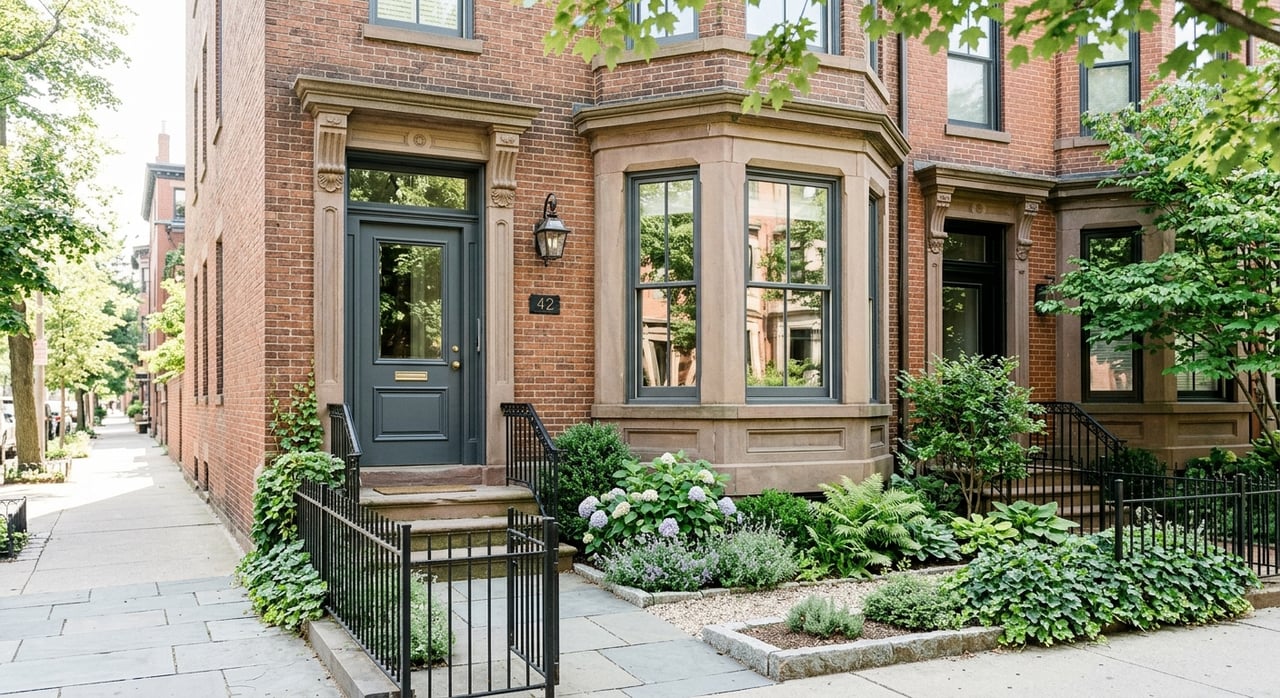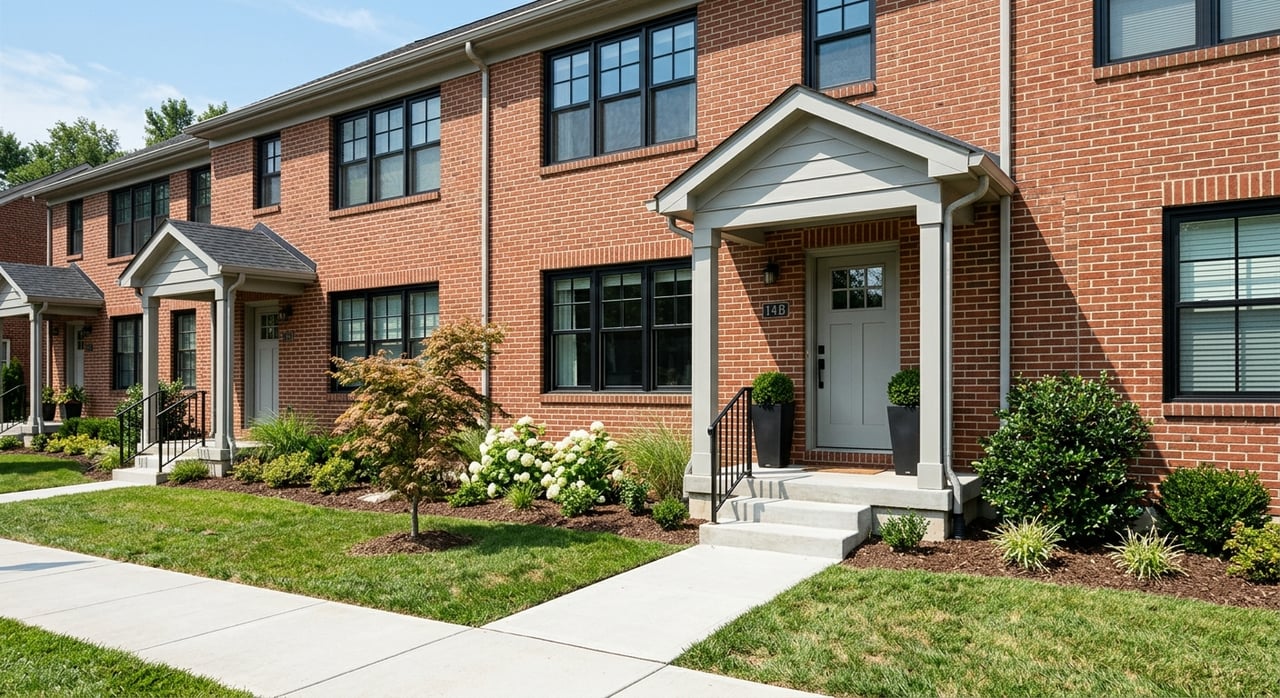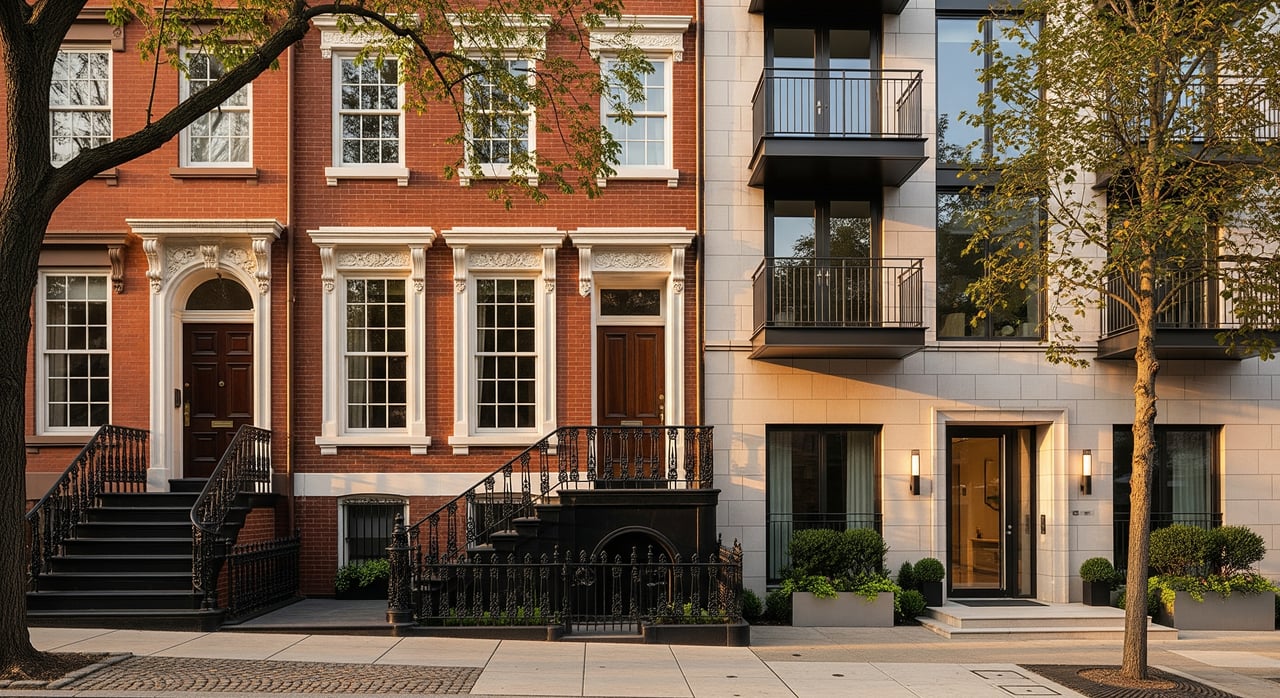
Trying to choose between a rowhouse and a condo in Tenleytown? You are not alone. With Red Line access, a strong neighborhood vibe, and steady demand near American University, both options make sense for different lifestyles and budgets. In this guide, you will see how space, maintenance, monthly fees, financing, and resale play out in Tenleytown so you can buy with confidence. Let’s dive in.
Tenleytown at a glance
Tenleytown centers around Wisconsin Avenue NW near the Tenleytown–AU Metro. The Red Line offers frequent service to downtown, and several bus routes run along Wisconsin Ave. You can review station service and maps on the Tenleytown–AU station page from WMATA.
The area mixes classic brick rowhouses with low to mid-rise condo buildings. You will find walk-up and elevator options, small apartment conversions, and newer infill near the commercial corridor. For a quick feel for daily errands and transit access, check neighborhood walkability and transit details via Walk Score’s Tenleytown page.
Space and lifestyle
Rowhouses in Tenleytown
Tenleytown rowhouses often offer more livable square footage across two to four levels, plus a private entry. Many include basements for storage, utilities, or a future guest suite. Modest rear yards or patios give you private outdoor space, which is helpful for gardening, pets, or hosting. Expect flexible rooms that can double as a home office or den.
This layout works well if you want room to grow, space for hobbies, and separation between living and sleeping areas. Be ready for stairs and a more hands-on approach to upkeep.
Condos in Tenleytown
Condos range from studios to three bedrooms, typically on one level. Many units include a balcony, and buildings may offer shared storage rooms or bike rooms. You will trade a yard for smaller private outdoor options and community amenities.
Single-level living is attractive if you prefer fewer stairs, a simpler routine, or lock-and-leave convenience. Downsizers and busy professionals often value that ease, especially near the Metro and shops.
Maintenance and monthly costs
Condo fees and what they cover
Condo fees often include building insurance on the master policy, exterior maintenance, common-area utilities, reserve contributions, elevator service, trash, and sometimes water or heating and cooling. Fees vary by building size, age, and amenities.
The benefit is predictable coverage for shared systems and less personal time managing repairs. The trade-off is fee increases and the possibility of special assessments if reserves are low. To gauge a building’s health, request the budget, reserve study, insurance declaration, meeting minutes, delinquency rates, and any pending assessment details. HUD’s overview of condominium governance can help you understand how associations work and why reserves matter. Review the HUD Condominium program guidance for context.
Rowhouse upkeep and budgeting
Most rowhouses do not have a monthly HOA, so you control maintenance and upgrades. Budget for variable costs, which can spike with roofing, masonry work, foundations, or water intrusion. A common planning rule is to set aside 1 to 3 percent of a home’s value each year for maintenance, with needs varying by age and condition.
Older DC masonry homes often need periodic roof and flashing attention and may have dated plumbing or electrical. When you tour, look for signs of moisture in basements, brick repointing needs, and age of systems like HVAC and windows.
Financing and appraisal basics
Condos and project eligibility
With condos, your loan approval often depends on the building’s eligibility in addition to your personal qualification. FHA and VA have project-level standards, and conventional loans evaluate factors like owner-occupancy ratios, insurance, reserves, and commercial space in the building.
- FHA: Many lenders require the condominium project to be FHA approved, though single-unit approvals can be possible under stricter conditions. See the HUD overview of FHA condo approvals.
- VA: VA loans also have condo project requirements. Confirm the project status early with your lender and the association. Review VA’s loan program hub for guidance and next steps on condo approvals via the VA Home Loan program.
- Conventional: Fannie Mae provides condo project guidelines that lenders use for eligibility. You can review the Fannie Mae condo project standards to understand what lenders will evaluate.
For any condo you are considering, ask for the full condo packet, financials, reserve study, insurance declarations, rental policy, owner-occupancy ratio, and delinquency report. That information helps your lender, appraiser, and you.
Rowhouses and standard loans
Rowhouses are typically financed like single-family attached homes using FHA, VA, or conventional loans, subject to the property’s condition and the appraiser’s review. Appraisals rely on comparable attached or single-family sales. Finished basements, private outdoor space, and recent system upgrades can support value.
Resale and rental dynamics near AU
Proximity to American University, the Red Line, and Wisconsin Ave amenities keeps demand steady for both condos and rowhouses. Entry-level condos often draw first-time buyers and investors, while larger condos and rowhouses attract long-term owners who want more space and privacy.
Condo resale depends on the building’s financial health, reserves, and any litigation or special assessments. Rental caps or rules can affect investor interest and owner-occupancy mix. Rowhouse resale leans on individual condition, layout, finished basements, systems updates, and outdoor space.
If you may rent in the future, check condo rental policies before you write an offer. Rowhouses are generally simpler to rent from an ownership-rule standpoint, but you still need to follow DC landlord and tenant regulations.
Parking, storage, and access checklist
Parking and storage can be tight in Tenleytown. Use this quick checklist during tours:
Parking
- Do you have assigned or deeded parking? If a garage spot is separate, what is the cost?
- What are guest parking rules? If none, how easy is street parking at key times?
- If you rely on street parking, review DC’s Residential Parking Permit guidance through DDOT’s resident parking permits page.
Storage
- For rowhouses: is the basement dry and usable? Any attic access for storage?
- For condos: is there a secure storage unit assigned, and what is the size?
Accessibility
- Condos: is there elevator access, step-free entry, and wide hallways?
- Rowhouses: can you live on the main level if needed, or are stairs required for daily living?
A simple decision framework
Use these priorities to guide your choice:
Step 1: Rank your top priority
- More space, private outdoor area, and flexibility: lean rowhouse.
- Single-level living, lock-and-leave convenience, and predictable services: lean condo.
- Lowest entry price at a given time: often a condo, but check current comps.
Step 2: Financing fit
- Need FHA or VA? Confirm condo project approvals at the start. If a building is not approved, you may need a different loan type or higher down payment.
Step 3: Maintenance tolerance
- Prefer less hands-on upkeep or travel often? Condo likely better.
- Want control over improvements and can budget for variable costs? Rowhouse may fit.
Step 4: Resale and rental plan
- Planning to rent in the near term? Confirm condo rental policies and building health.
- Planning long-term ownership with room to grow? A rowhouse may offer better flexibility.
Next steps for your search
Before touring
- Get preapproved with a local lender and ask about condo project requirements for FHA, VA, and conventional loans.
- Define non-negotiables: parking, number of levels, yard or balcony, elevator access, and your preferred walk radius to Metro or shops.
For condo listings
- Request the condo packet, last 12 months of meeting minutes, current budget and reserve study, insurance declarations, delinquency data, any special assessments, litigation notices, rental policy, and owner-occupancy ratio.
For rowhouse listings
- Request seller disclosures, receipts for major work (roof, foundation, HVAC, waterproofing, masonry), and any party-wall or alley agreements. Confirm zoning if you plan additions.
Inspections and professionals
- Hire a licensed home inspector. For older brick homes, choose someone with masonry and structural experience.
- For condos, inspect the unit and visible common elements. Bring concerns to your lender and review the reserve study for near-term projects.
- Engage a local real estate attorney or agent familiar with DC condo disclosures for document review.
Ready to compare real homes on the market and match them to your budget and lifestyle? Connect with Giovanna Piskulich for a clear, step-by-step plan tailored to Tenleytown and your financing needs.
FAQs
Can I use FHA or VA to buy a condo in Tenleytown?
- Possibly. FHA and VA loans often require condo project approval, and some lenders offer single-unit approvals with strict criteria. Confirm project status with your lender and review association documents.
Are condo fees worth it if I value predictability?
- They can be. Fees usually cover insurance on the building, exterior upkeep, and reserves, which simplifies ownership, but they can rise and special assessments may occur. Review what the fee covers and the reserve study.
Are rowhouses cheaper than condos in Tenleytown?
- Not always. Entry-level condos often have lower prices than rowhouses, but larger or renovated condos can approach rowhouse pricing. Compare current comps with your agent and lender.
Which holds value better near American University?
- Both can perform well in desirable locations. Condo value depends on building health and reserves, while rowhouse value depends on condition, updates, and outdoor space.
What should I check for parking and storage before I offer?
- Confirm if a parking space or storage unit is assigned and any related fees, review guest parking rules, and verify street parking options or permit requirements with DDOT.